Impact:Independent Research Prototype · Speculative Hardware for Sacred Spaces
Role:Concept Design, Product Design, Hardware Prototyping, Physical Computing
Collaborators:Independent Research
Why
Every major qiblah app routes the direction of prayer through a smartphone. A device designed to maximize screen time, not minimize it.
How
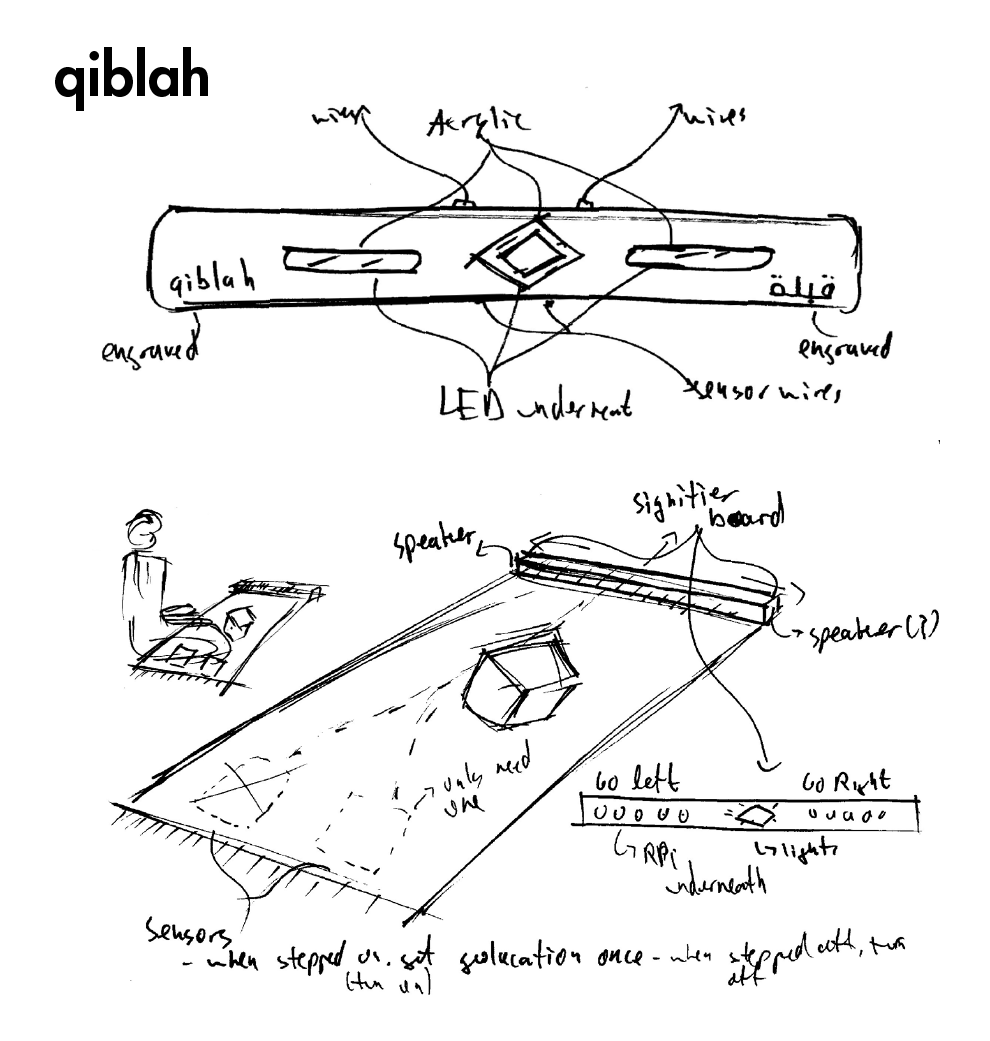
A self-contained object: a magnetometer reads the earth’s field, a Raspberry Pi computes the bearing to the Ka’aba, and a ring of LEDs indicates the direction. No screen, no sound.
Impact
Independent Research Prototype · Speculative Hardware for Sacred Spaces
The qiblah, the direction of the Ka’aba in Mecca, is a fundamental axis in Islamic prayer. Every prayer, wherever you are on earth, is oriented toward it.
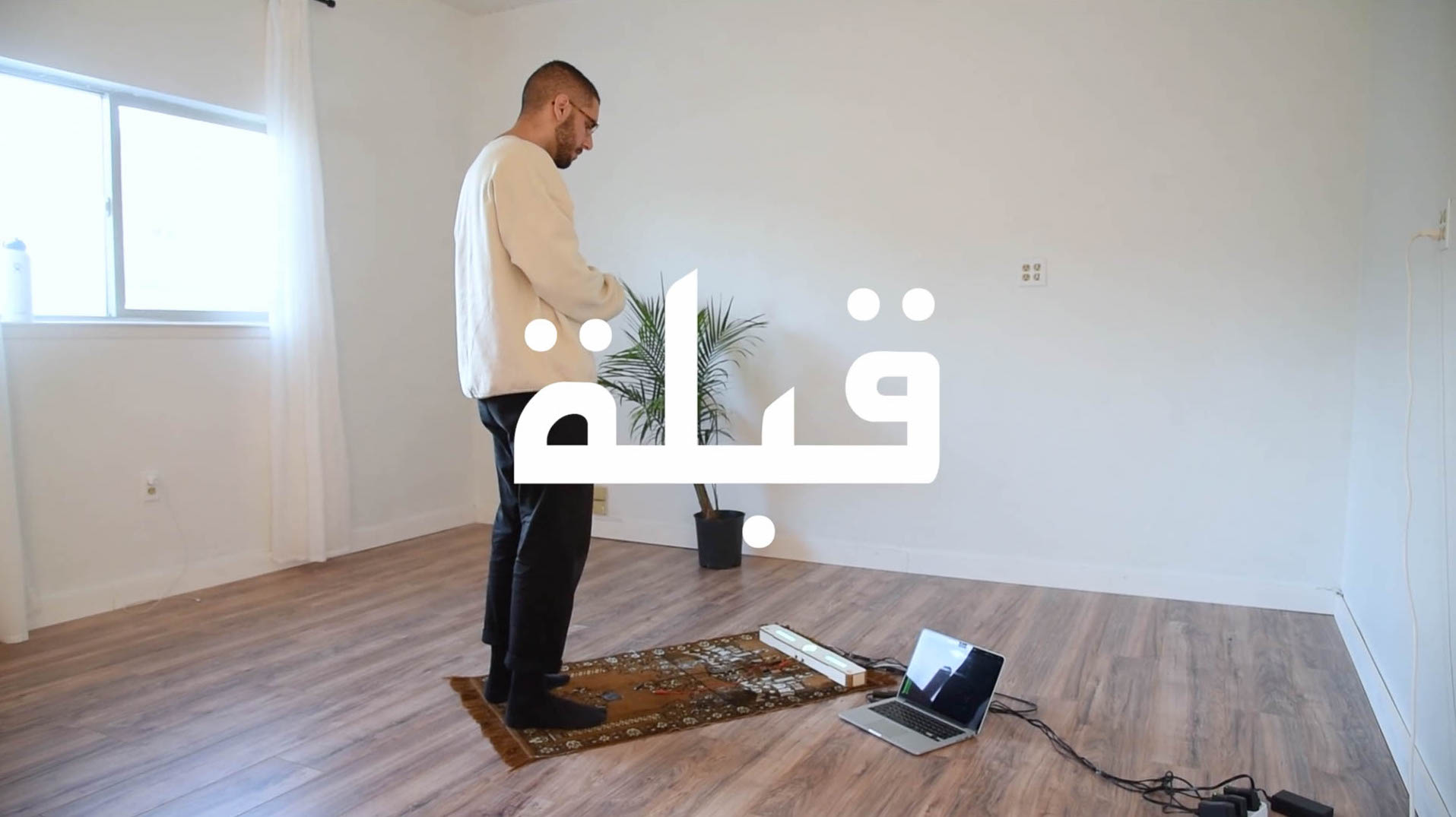
Today, finding the qiblah is almost universally delegated to a smartphone app, bringing notifications, screens, and everything else the phone is doing into a moment of prayer. Calm technology operates in the opposite direction: it passes through intention into action without demanding attention. Most qiblah apps do the opposite.
I designed a dedicated ambient object. It doesn’t notify, it doesn’t ask for attention. It sits at the foot of the prayer rug and points.
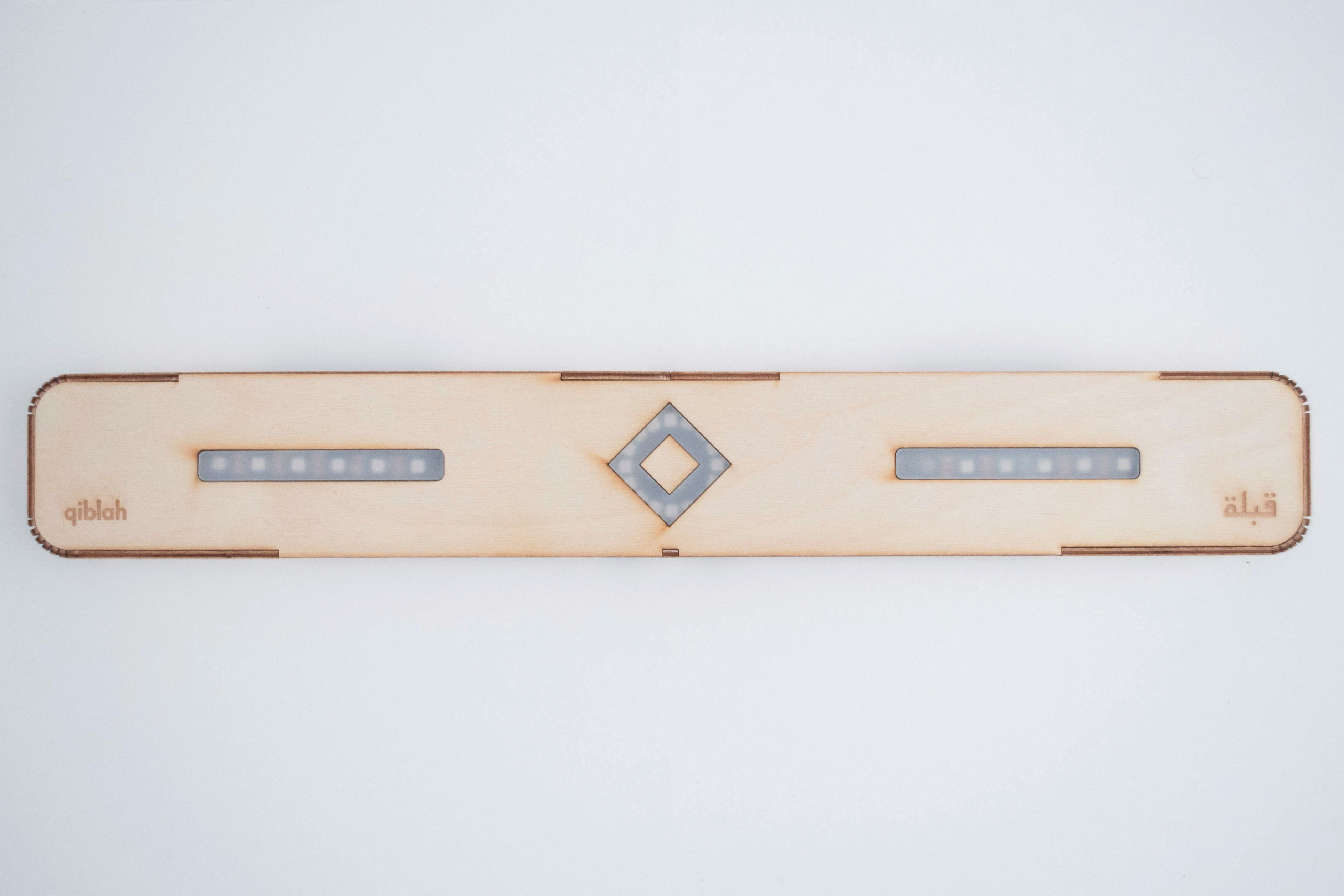
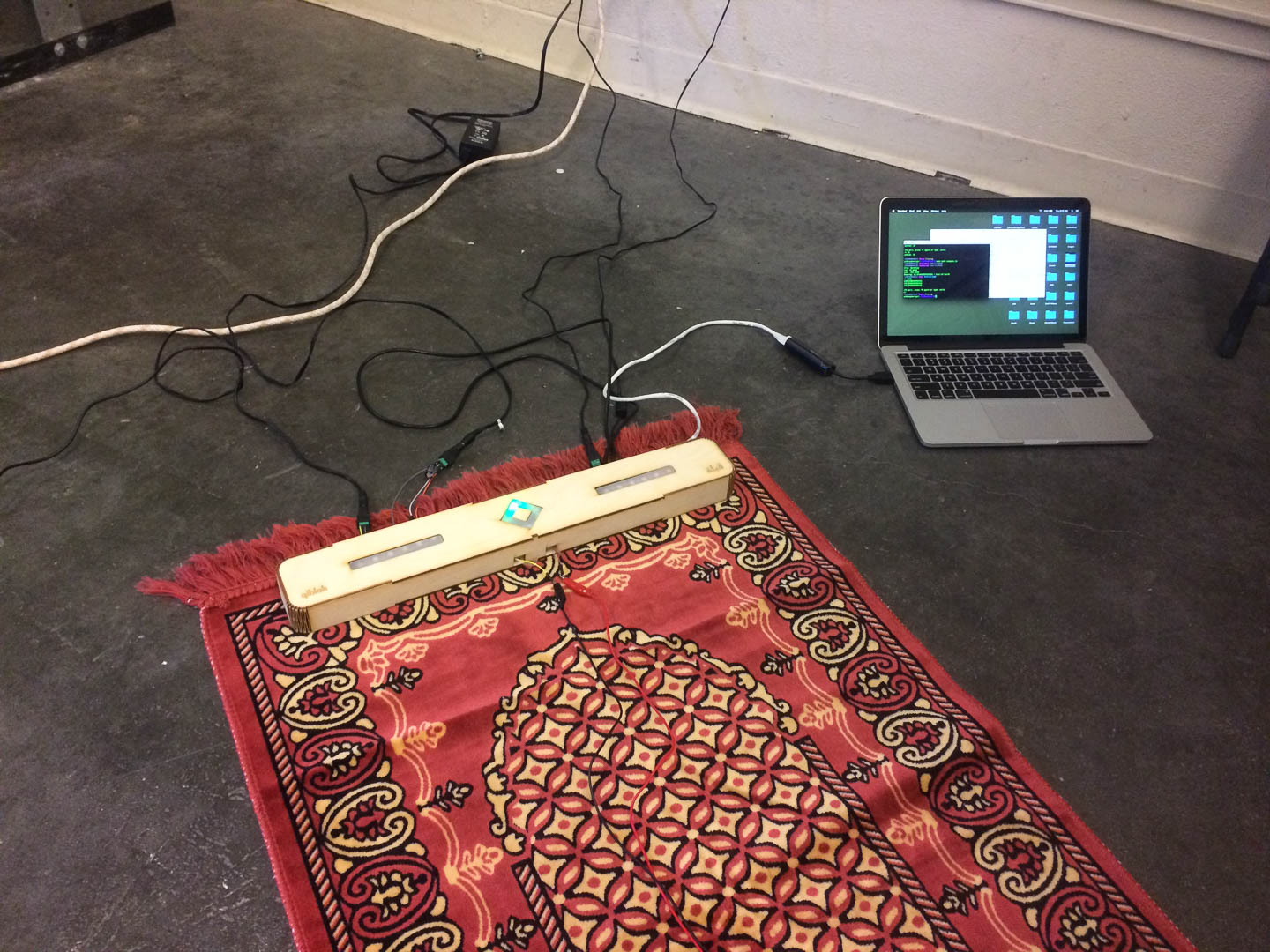
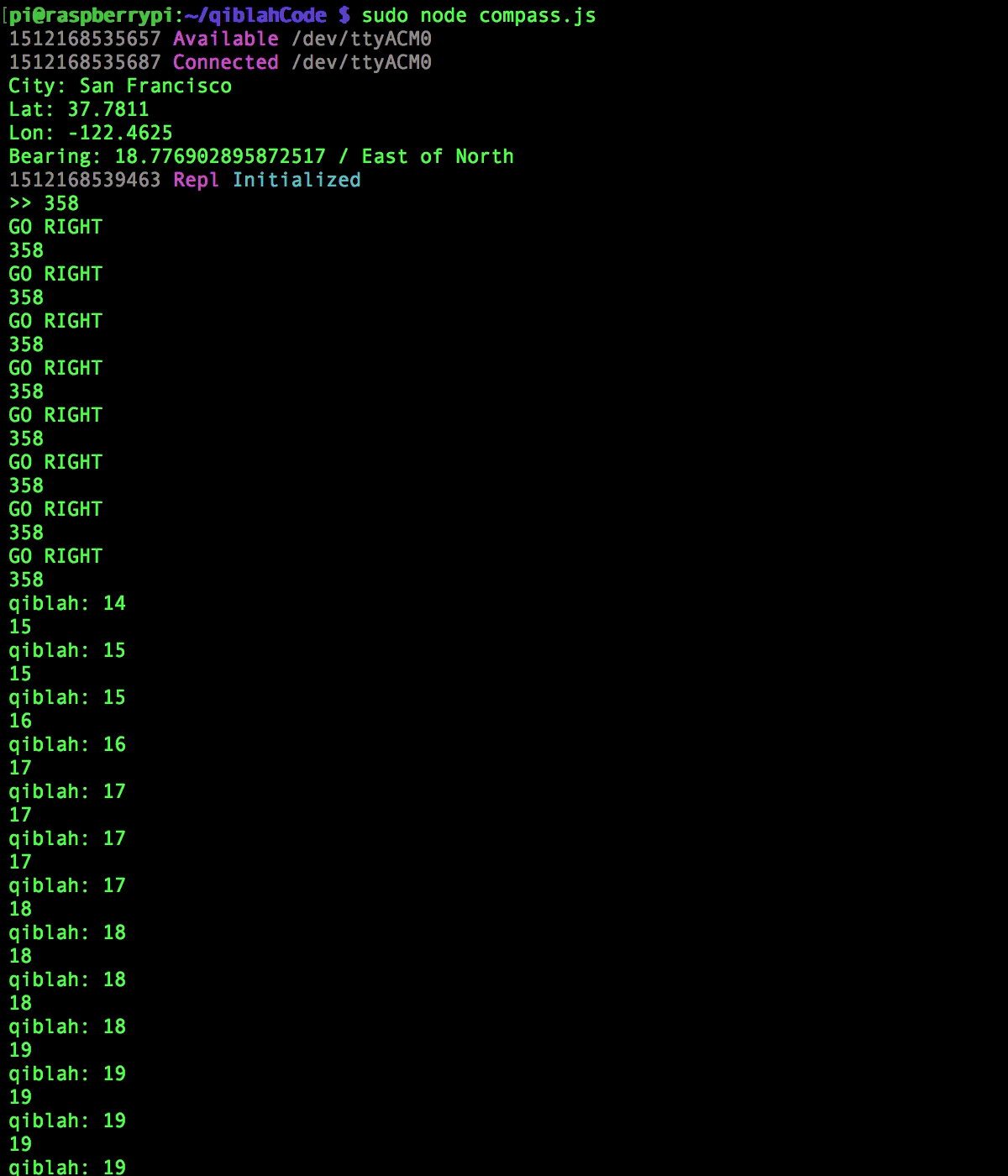
The device reads the earth’s magnetic field through a magnetometer. Software running on a Raspberry Pi resolves the sensor data into a great-circle bearing toward the Ka’aba for the device’s location, then expresses that bearing through a ring of NeoPixel LEDs. Ambient feedback that registers at the edge of attention, not the center of it.
The enclosure was designed to read as an object rather than a gadget: laser-cut wood, acrylic, and brass hardware instead of plastic and ports.
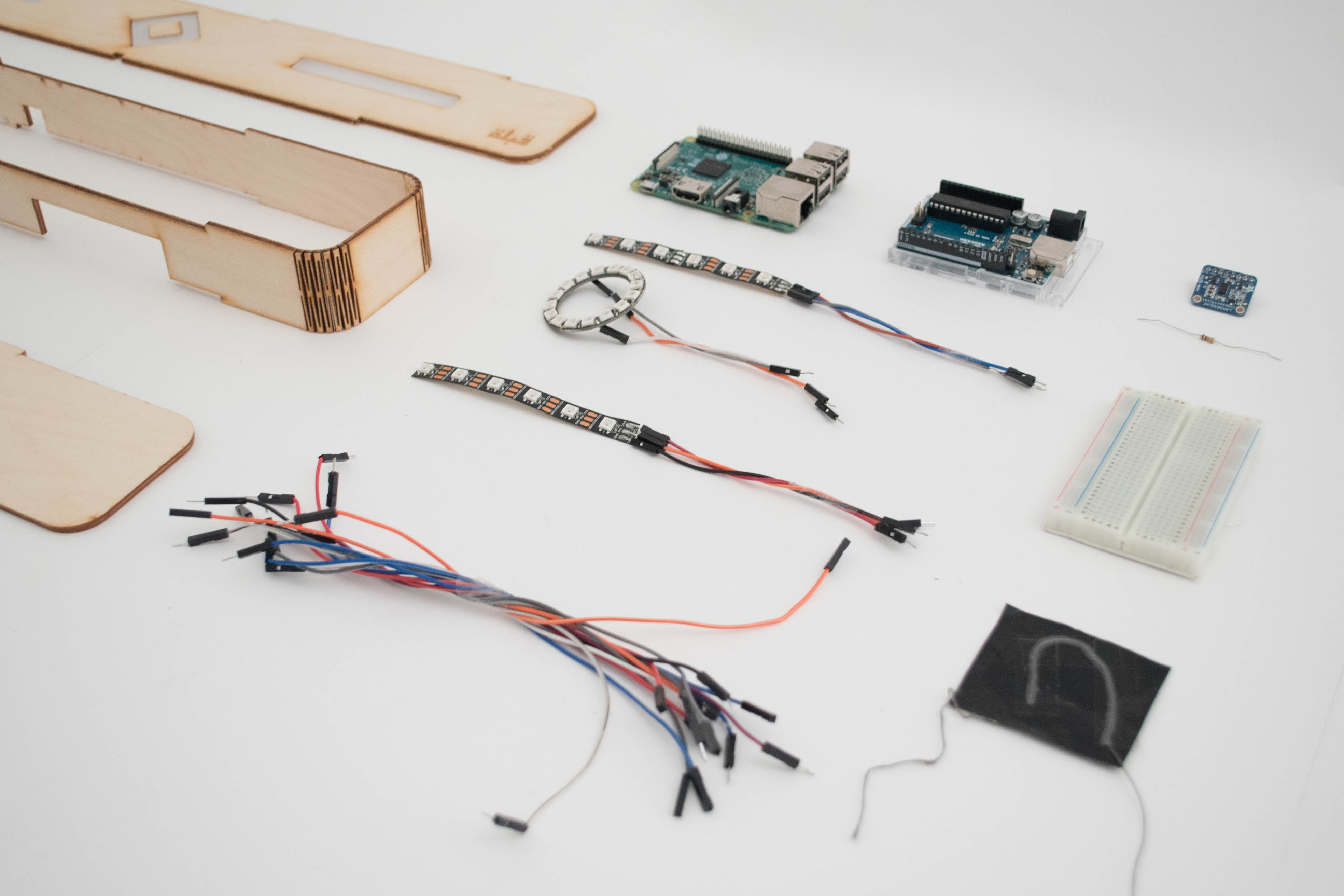
I moved between sketched concepts and physical prototypes, working through enclosure geometry, LED diffusion, and how to make the directional output legible at a glance.